
~3 min read.
A year ago I moved from working in academia and global health to big pharma. A move that I was warned would make it difficult to ever return to global health, and kind-hearted jokes were made of selling out to become a corporate tiger. Ggrrrr…
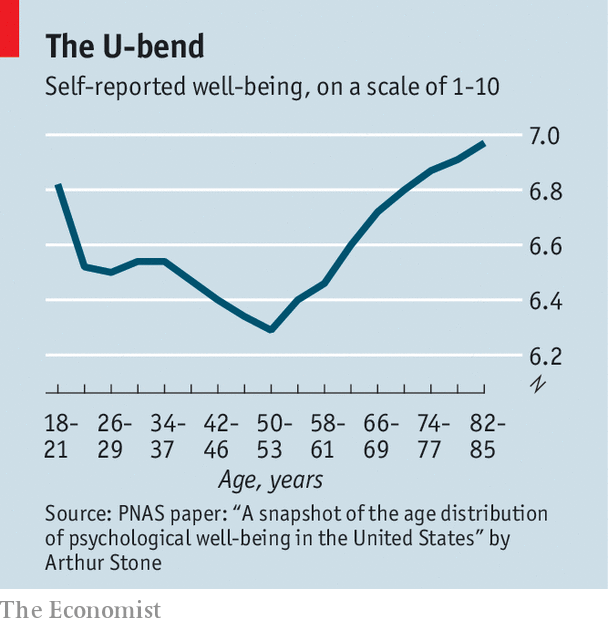
So it seemed fair that I was asked in the interview, “Why the shift?”. Yet, naively, this question took me by surprise. Can you throw your arms in the air and exclaim, “Mid-life criiisssiiiss!!”, in an interview? See, with this new role, I planned to draw a distinct boundary between my work life and my home life. A boundary I’ve always struggled to draw and consistently blamed the circumstances.
It’s me.
What I’ve learnt in this last year is that it’s me. My PhD supervisor once advised me to get a 9 to 5 routine – an idea I scoffed at. More than 10 years on, I thought I could finally obtain this attitude. I cannot. Not just because I struggle with routine, but because brain-tickling work will always grab my attention like a squirrel to a dog, or like a dog to me. I sparkle when trying to nudge something un-understandable to understandable-ish; hopelessly yabbering about it during social events when I should be engaged in the conversation about taxes and interest rates. Even though many of my friends are ex-colleagues who will listen to me break down some analysis that’s captured my brain, work conversations are undoubtedly better had with actual colleagues!
Valuable colleagues.
It’s wonderful to have colleagues who provide scope to mentally meander, and yet keep you from straying too far, “What if we thought of it like that… that would mean this… and does that cause a problem here?”. So it’s very sad that we recently experienced a tragic loss of such a colleague who unexpectedly died at a young age. This is new territory for me. To experience a crash of grief during a meeting when discussing something as mundane as ID numbers of projects takes me by surprise. Then again, I am consistently surprised at how strong grief is, and how effected I am by this eternal fact. But, from grief in my personal life, I am trying to relish that this sadness is because this colleague meant a lot to me. So what can I learn from this?
Work life.
People at work mean something to me because, with them, my brain is encouraged into a gear that nourishes my being. A gear where we break down problems to the key components, and seek solutions, and assess the limitations. With the departure of this colleague, a reference to her as a “sparring partner” has come up repeatedly. I like this description a lot. I go to work to spar! And since this is something that my mind is constantly craving, I no longer seek work/life balance. I seek brilliant colleagues. Colleagues whose deaths would make me deeply sad because a wavelength that my brain could tune into has gone forever. Try explaining that in an interview!
Personal life.
From this last year, I’ve learnt to accept my blurred work/life balance. Nonetheless, this blurred line has shifted because I still hold strong that my academic days are over. This loss makes me sad. But my mid-life crisis has meant that I also want more time to do things I should do: learn French and learn to ski; and many other things I already love to do: hanging out with my niece and nephew, aerial hoop, painting, mountain hiking, scuba diving, acroyoga, and on and on.

###
No AI help was used to write this blog.


 Tamsin E. Lee